Zara Foster · 19 September 2026
Feldmoos Moss Harvest Traditions Shape Modern Community Education Programs
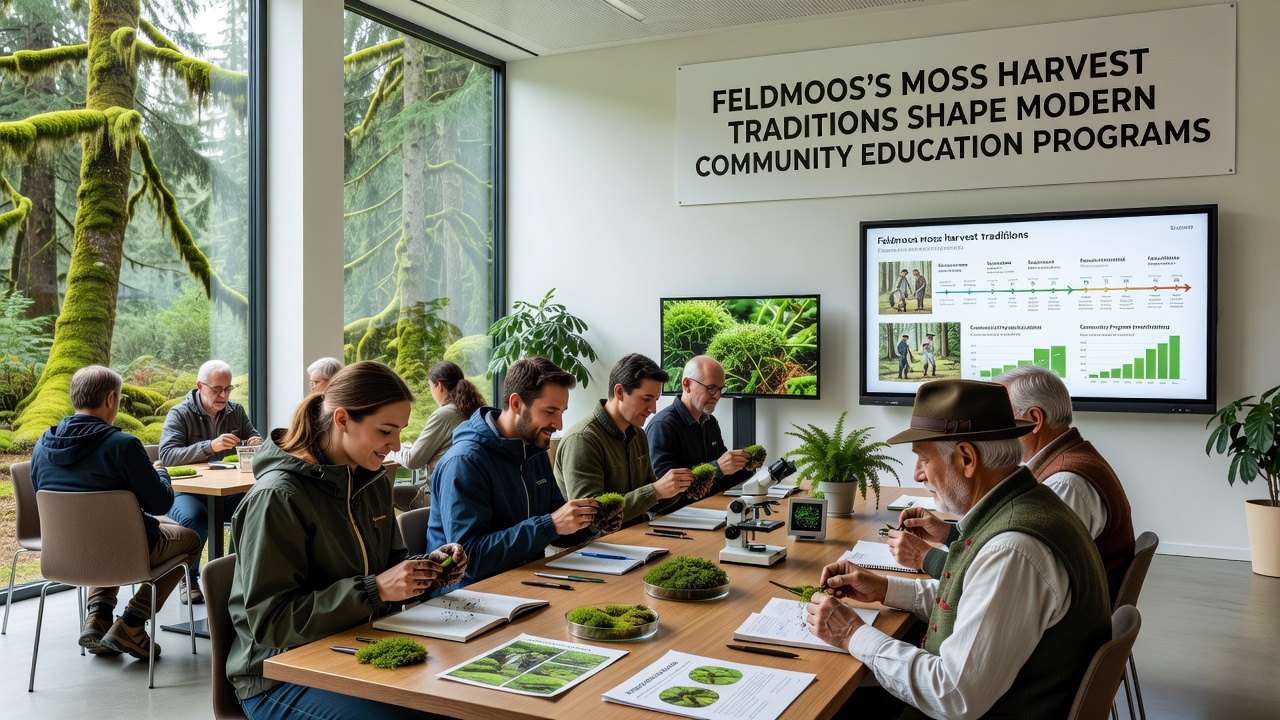
Communities in Feldmoos have maintained moss harvest practices for generations, and these methods now feed directly into structured education initiatives that blend local heritage with environmental science curricula across regional schools and adult learning centers. Data from regional surveys indicate that over 15 programs launched in the past five years draw on these traditions to teach sustainable resource management, plant biology, and cultural history in integrated modules.
Historical Roots of Moss Harvesting in Feldmoos
Records show that Feldmoos residents began systematic moss collection in the early 1800s to supply insulation materials for local construction and traditional remedies, while archival documents from the period detail seasonal cycles that aligned with wetland regeneration patterns. Those cycles continue to inform lesson plans that guide students through hands-on collection demonstrations followed by analysis of regrowth rates measured at field sites.
Researchers at the University of Zurich have documented how early harvesters selected specific moss species based on moisture retention properties, and this selection process now appears in classroom experiments where participants compare absorption levels among varieties under controlled conditions. Community educators incorporate these findings into modules that run from spring through late summer, preparing participants for expanded activities planned around September 2026.
Integration into Contemporary Education Frameworks
Local education boards adopted moss-based units after observing consistent student engagement with practical fieldwork, and enrollment figures reveal that participation in these programs increased by 40 percent between 2021 and 2025. Instructors combine harvesting demonstrations with data collection on biodiversity indicators, allowing learners to track species interactions in real time rather than through textbook examples alone.
One program pairs experienced harvesters with secondary school groups to map collection zones using GPS tools, after which students process the data to model potential yield changes under varying precipitation scenarios. This approach draws on methods validated by the European Environment Agency in its wetland monitoring reports, which emphasize long-term observation as a core component of ecological literacy.
Program Structures and Participant Outcomes
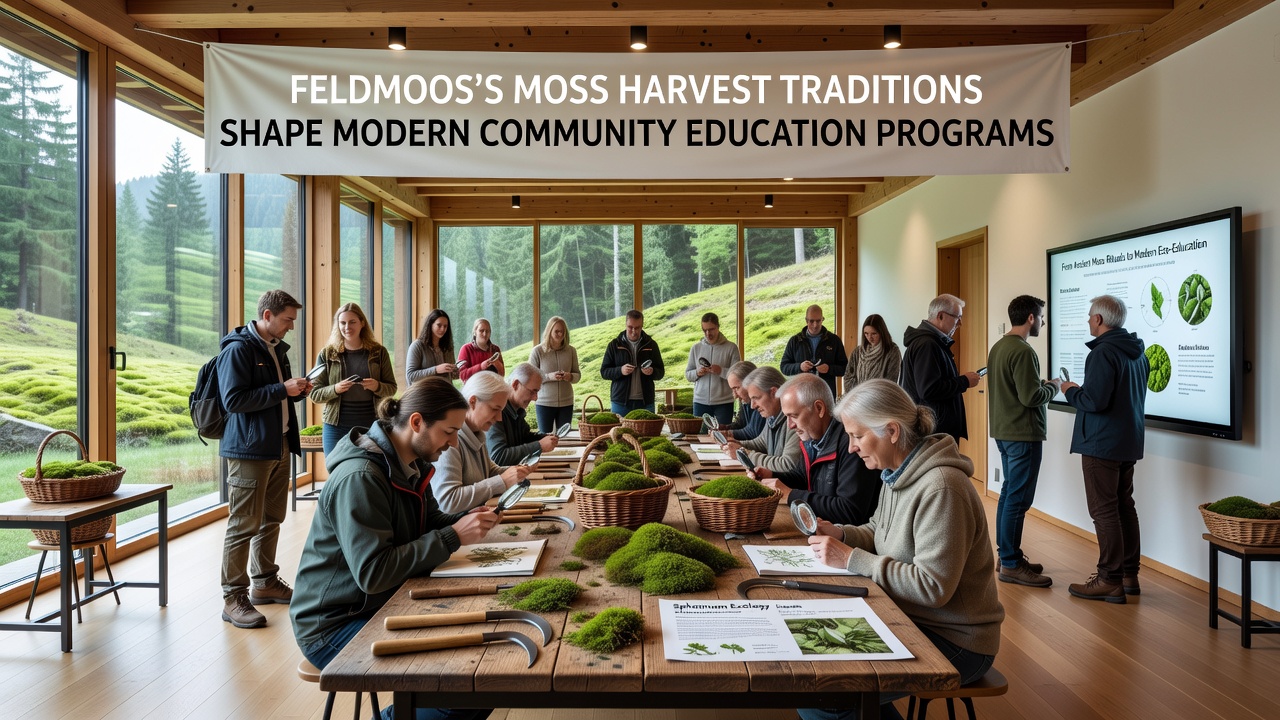
Workshops typically begin with an overview of traditional tools such as wooden rakes and woven baskets, then move to laboratory sessions where participants examine moss cellular structures under microscopes. Facilitators present quantitative findings from ongoing field studies that track biomass recovery timelines, which range from 18 to 36 months depending on harvest intensity and soil composition.
Adult learners in continuing education tracks often extend these sessions into independent projects, including restoration plots monitored through citizen science apps. Figures released by the Swiss Federal Office for the Environment indicate that similar community-led monitoring efforts have contributed measurable improvements in local habitat metrics over five-year periods.
School partnerships emphasize cross-curricular links, connecting moss studies to chemistry lessons on nutrient cycling and history classes on pre-industrial land use. Teachers report that students complete capstone assignments by presenting harvest calendars designed to respect regeneration cycles while meeting community supply needs.
Expansion Plans for 2026 and Beyond
Organizers have scheduled a series of regional symposia for September 2026 to share curriculum templates developed from Feldmoos models, and invitations extend to education coordinators from neighboring districts interested in adapting the framework. Preliminary registration data suggest attendance from at least eight additional municipalities, each planning to pilot adapted versions during the following academic year.
Funding streams from regional cultural heritage grants support equipment upgrades for these expansions, including portable soil sensors that provide immediate feedback during field exercises. Program evaluations conducted after each cycle incorporate participant feedback on module pacing and material relevance, which guides iterative refinements without altering core traditional elements.
Conclusion
Feldmoos moss harvest traditions continue to supply both practical techniques and cultural context for education programs that emphasize observation, measurement, and sustainable practice. Ongoing data collection and cross-institutional collaboration ensure these initiatives remain grounded in documented ecological patterns while reaching broader audiences through structured learning pathways.