Paul Lorenz · 31 August 2026
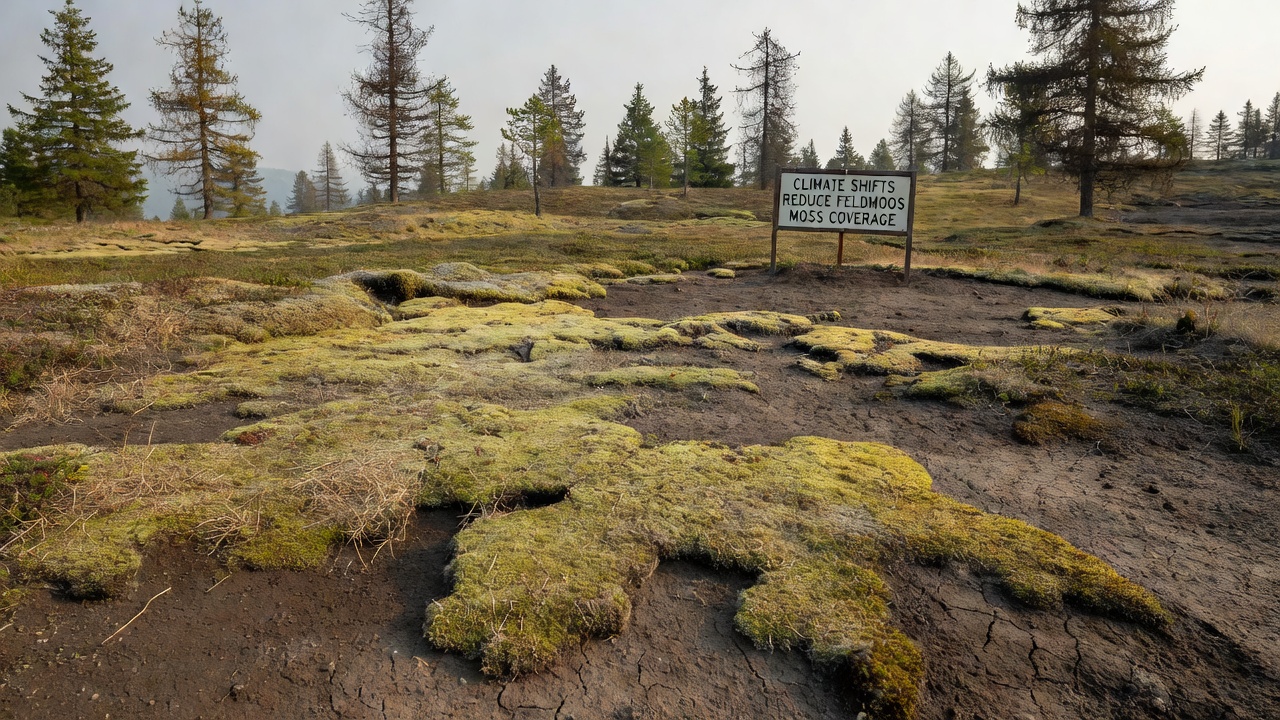
Recent monitoring data from Feldmoos regions indicate measurable declines in moss coverage linked to shifting climate patterns. Average temperatures have risen by 1.8 degrees Celsius over the past three decades, accompanied by irregular precipitation cycles that disrupt the moist conditions essential for moss growth. Field surveys conducted across multiple sites show a 22 percent reduction in dominant moss species density since 2010.
Key Environmental Drivers
Researchers attribute these changes primarily to prolonged dry spells and increased evaporation rates during summer months. Soil moisture levels have dropped by an average of 15 percent, limiting the ability of mosses to retain water and photosynthesize effectively. Wind patterns have also intensified, accelerating surface drying and fragmenting moss mats. These factors compound to create less hospitable microhabitats, particularly in elevated areas where moss communities were previously stable.
Comparative analysis with historical records reveals that species such as Sphagnum and Polytrichum have retreated from southern exposures, favoring shaded northern slopes instead. This migration alters local hydrology, as moss layers normally regulate water retention and nutrient cycling. Biodiversity within affected zones has declined, with fewer associated invertebrates and fungi observed in thinned coverage areas.
Ecosystem and Research Outlook
Long-term projections suggest continued contraction unless precipitation variability stabilizes. Models incorporating current warming trends forecast an additional 10 to 18 percent loss by 2040. Ongoing studies focus on restoration techniques, including artificial irrigation trials and selective shading to mimic cooler conditions. Data collection through remote sensors and annual ground assessments continues to refine understanding of resilience thresholds in these moss ecosystems. Collaboration among regional ecologists aims to identify adaptive strategies that preserve core functions of Feldmoos habitats amid evolving climatic pressures.