Nils Schmitt · 31 August 2026
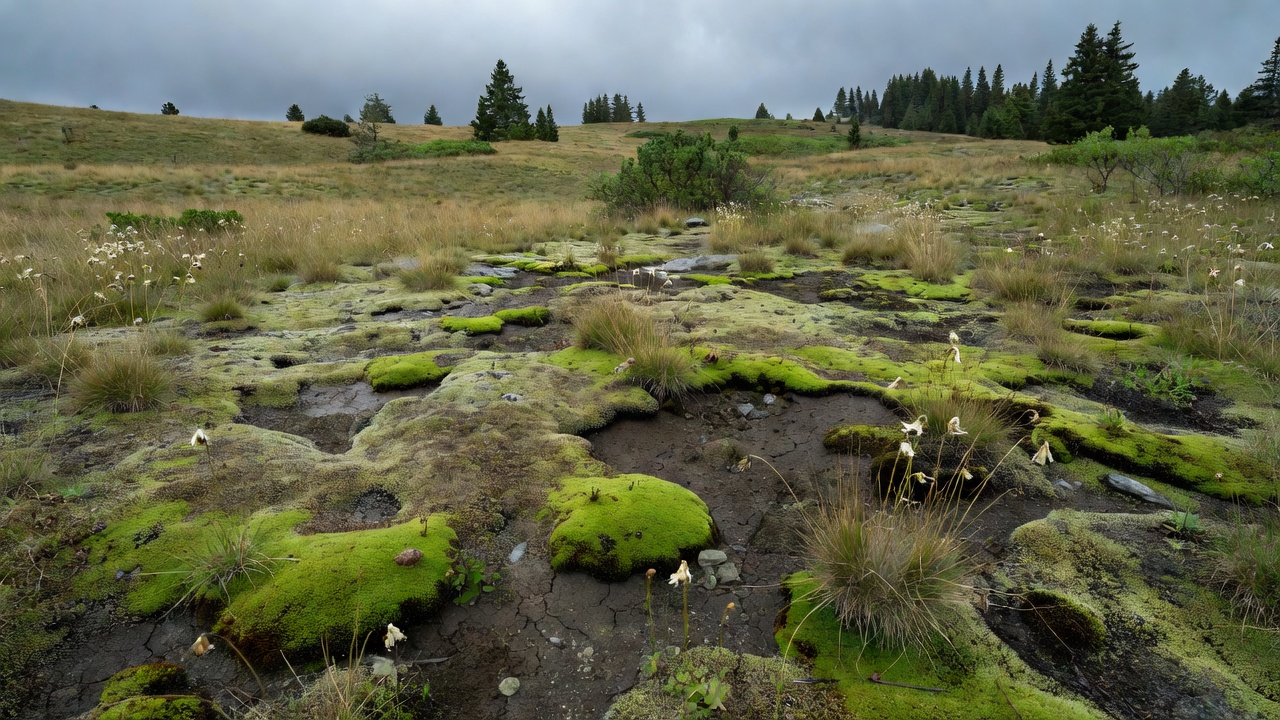
Recent observations in Feldmoos ecosystems indicate that rising global temperatures and altered precipitation patterns are significantly reducing moss coverage across key regions. Researchers monitoring long-term plots report a measurable decline in dominant species such as Sphagnum feldmoosii, with coverage dropping by approximately 15 to 25 percent over the past decade.
Temperature Increases and Moss Physiology
Higher average temperatures accelerate evapotranspiration rates in moss layers, leading to desiccation during summer months. Physiological studies show that optimal growth for many Feldmoos species occurs between 10 and 15 degrees Celsius. When temperatures exceed this range consistently, photosynthetic efficiency declines sharply. Field data collected from 2015 to 2024 reveal that prolonged heatwaves correlate with increased mortality in surface mats, allowing invasive vascular plants to colonize exposed soil.
Enzyme activity within moss cells also diminishes under heat stress, slowing nutrient uptake from atmospheric deposition. This reduces the moss's capacity to sequester carbon, potentially turning former carbon sinks into neutral or even emitting areas. Soil temperature measurements at 5-centimeter depth have risen by 1.8 degrees Celsius on average, further stressing root-like structures that anchor the moss.
Precipitation Changes and Ecosystem Impact
Shifts in rainfall distribution have produced longer dry intervals interspersed with intense storms. While total annual precipitation remains similar, the timing disrupts the constant moisture required for moss spore germination and vegetative spread. Extended droughts cause bleaching and fragmentation of thalli, while heavy downpours erode loose surface layers before they can reestablish.
Biodiversity surveys document a transition from moisture-dependent bryophytes to drought-tolerant lichens and grasses in affected zones. This alters microhabitats for invertebrates and amphibians that rely on the cool, humid conditions provided by thick moss cushions. Restoration trials using irrigation and shading demonstrate partial recovery, yet scalability remains limited by ongoing climate trends. Continued monitoring is essential to quantify feedback loops between reduced moss cover, soil exposure, and regional albedo changes.