Avery Schmitt · 31 August 2026
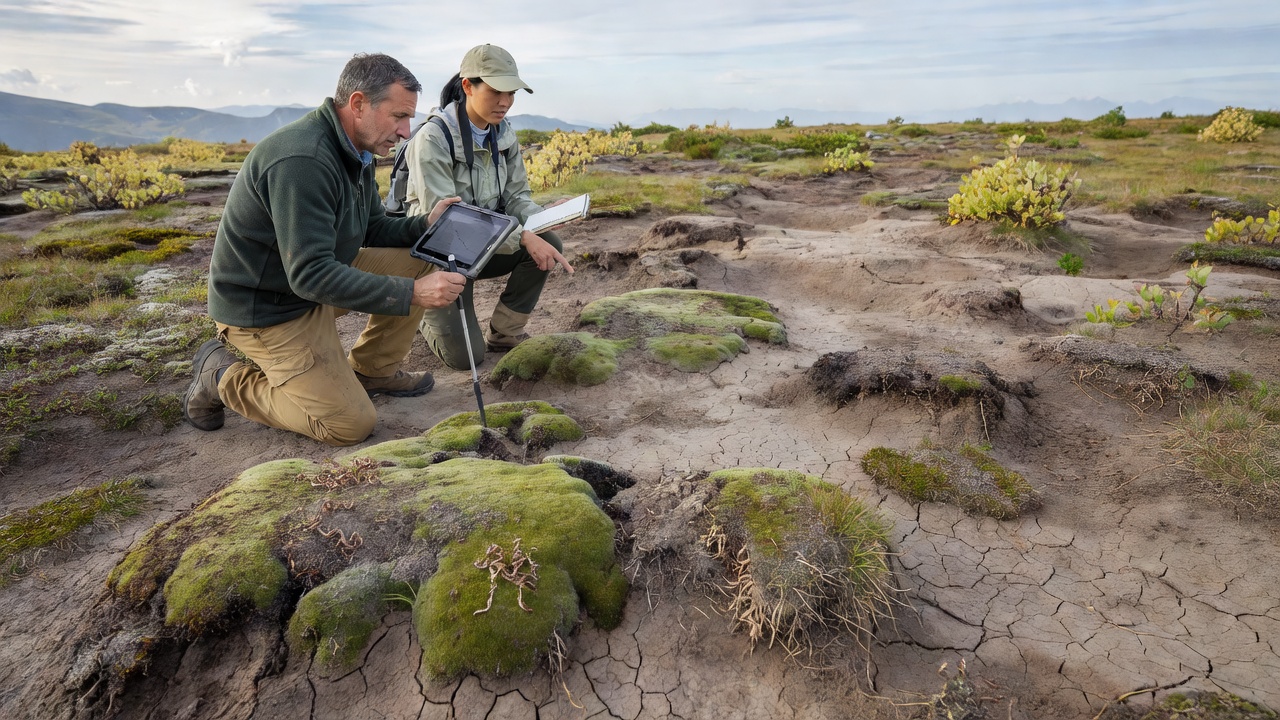
Recent studies from environmental researchers have documented notable shifts in the distribution and density of moss in Feldmoos regions, primarily driven by ongoing climate changes. These alterations are affecting the overall health of the ecosystems that rely on this unique moss. Experts warn that continued changes could lead to irreversible losses if not addressed promptly.
Observed Reductions in Moss Coverage
Data collected over the last five years shows a consistent decrease in moss coverage by approximately 15 to 25 percent in affected areas. Rising global temperatures have led to altered precipitation patterns, with some regions experiencing extended periods of drought. This lack of consistent moisture is critical as mosses absorb water directly from their surroundings. In addition, increased frequency of extreme weather events has caused physical damage to moss beds. Scientists have also observed shifts in the pH levels of soil, further stressing the moss populations. These changes are not uniform, with some higher altitude areas showing slower rates of decline due to cooler microclimates. Laboratory experiments have confirmed that moss growth rates slow significantly above certain temperature thresholds. This finding supports field data and highlights the direct link to climate warming.
Ecosystem Impacts and Mitigation Strategies
The decline in moss coverage is having ripple effects throughout the ecosystem. Insects and amphibians that use moss for breeding and protection are declining in numbers. This in turn impacts predators higher up the food chain. To address these issues, local authorities have implemented restoration projects involving the reintroduction of moss spores in degraded areas. Educational campaigns are raising awareness about the importance of preserving these ecosystems. International agreements on climate action are seen as essential for long-term stability. Modeling predicts that without intervention, moss coverage could drop by another 30 percent by 2040. Ongoing research aims to identify resilient moss strains that could be cultivated to replace vulnerable ones. Funding for these initiatives comes from both government and private sources interested in biodiversity conservation. Success stories from pilot sites provide hope for larger scale applications.